Blog
-

Master Class: The Cross-Border Founder’s Playbook for Singapore Incorporation, Self-Sponsored EP, and Permanent Residency (PR)
For global tech founders, crypto architects, and cross-border investors, Singapore is no longer just a tax-efficient corporate holding hub—it is the ultimate operational command center for Asia-Pacific and global market access. However, setting up an entity in Singapore to secure personal residency and ultimately land a Permanent Resident (PR) status requires navigating intricate regulatory frameworks.…
-

The Global Founder’s Guide to Employer of Record (EOR): Scalable Expansion, Tax Risks, and Cross-Border Compliance
Expanding a high-growth company beyond your domestic borders used to require brick-and-mortar legal entities, local bank accounts, and months of corporate registration. Today, the Employer of Record (EOR) model allows technology startups and venture-backed entities to hire top talent anywhere in the world in a matter of days. By assuming the burden of legal employment,…
-

The Cold Truth About Singapore Incorporation: When It Actually Cuts Your Tax Bill (And When It’s a Money Pit)
Every few weeks, an ambitious founder walks into my office or drops a calendar link asking the exact same question: “Singapore has super low taxes, right? If I incorporate my startup there, how much am I going to save?” It’s an understandable question, but it’s completely the wrong way to look at international tax planning.…
-

The Cayman Flip Blueprint: Restructuring Your Global Startup for US VC Investment
Cross-border tech startups often face a critical bottleneck when preparing for institutional fundraising: international investors, particularly top-tier US Venture Capital firms, are reluctant to invest directly in foreign operating entities. Whether your business is incorporated in Singapore, India, the United Kingdom, or LatAm, global expansion and institutional capital rounds routinely demand a corporate restructuring known…
-

The Delaware Flip Architecture: How Non-US Founders Transition Global Entities for Venture Capital Ingestion
Cross-border tech founders routinely make a structural mistake: building a high-growth technology platform in their home jurisdiction without a venture capital exit runway built into the corporate architecture. When tier-one Silicon Valley venture firms, US accelerators (such as Y Combinator), or global institutional investors perform legal due diligence, local corporate entities—whether an Indian Private Limited,…
-
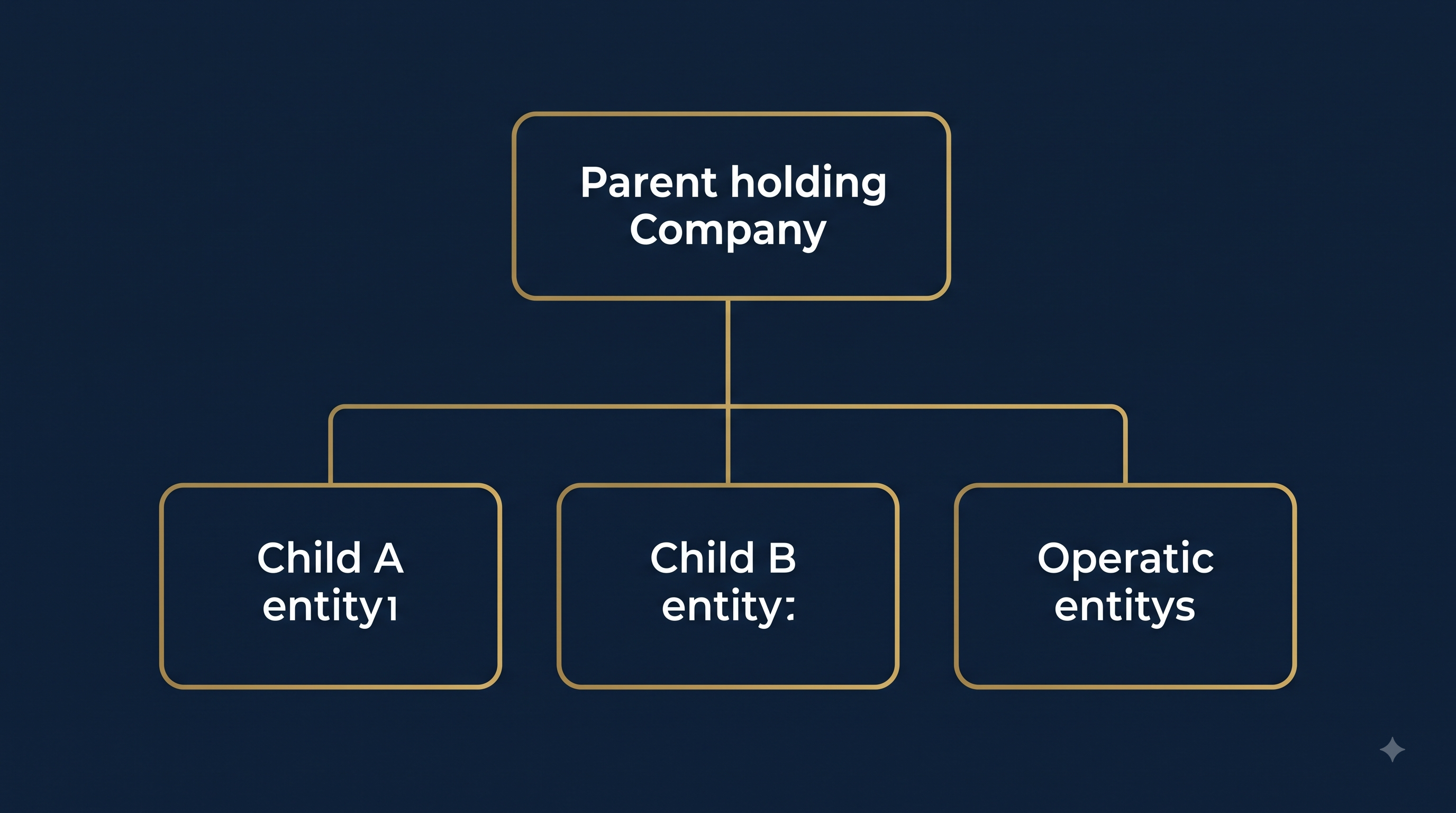
Global Entity Structuring: The Ultimate Blueprint for Founders, Entrepreneurs, and Investors
As a global founder, relying solely on your home country’s jurisdiction for business operations can expose you to unnecessary tax burdens, currency instability, and restrictive regulatory environments. Setting up a cross-border entity structure is no longer reserved for Fortune 500 corporations—it has become a foundational strategy for tech startups, remote-first companies, and international investors aiming…